Sunburst now calls OpenAI directly — generate and edit, on both surfaces.
GPT Image 2.5 Sunburst is wired to OpenAI's Images API as a new first-class
openai provider. Four cases were driven through the running
system — generate and edit, in Galleria and on the workflow canvas — and
verified against the database, the service logs, and the bytes actually stored.
What was tested
Galleria and the workflow canvas are separate code paths to the same backend, with their own configs and defaults, so each was exercised independently. Every run was confirmed three ways: the outgoing request body, the database row reaching a terminal state, and the provider path in the service log.
| Case | Surface | Provider path called | Result |
|---|---|---|---|
| Generate | Galleria | /v1/images/generations | pass · 11.6s |
| Edit | Galleria | /v1/images/edits | pass · 12.6s |
| Generate | Workflow node | /v1/images/generations | pass |
| Edit | Workflow node | /v1/images/edits | pass |
| GPT Image 2 regression | Both | fal.run/openai/gpt-image-2 | unaffected |
- Every call went to OpenAI. Confirmed in the service log for each of the four runs, matched to its generation by timestamp — the provider column in the database and the endpoint actually called agree.
-
Nothing lingered in
queued. 8 of 8 Sunburst runs and 23 of 23 overall reachedcompleted. This mattered because a brand-new asynq task type was introduced, and a missing handler registration would have hung every generation silently — the gateway still returning 201 and the enqueue still returning 200. -
15 credits charged per run, with
quoted_creditsmatchingcredits_amount.
The parameter surface
Every value below was confirmed by sending it to the live API, not read from
documentation. size takes literal pixel dimensions rather than
preset names, which is what lets the interface quote real output dimensions on the
generate button.
| Wire key | Accepted values | Exposed in UI |
|---|---|---|
| size | auto, 1024x1024, 1536x1024, 1024x1536, custom WxH | 4 options |
| quality | auto, low, medium, high, xhigh, max | all 6 |
| background | auto, transparent, opaque | all 3 |
| output_format | png, jpeg, webp | all 3 |
| n | integer | 1–4 |
POST /api/generations → 201        (from a real Galleria run)
"config":{"size":"1024x1024","quality":"low","background":"opaque","output_format":"png","n":1}
- The keys on the wire are the ones OpenAI expects. Read from the stored generation config rather than the source, so this reflects what the interface actually sent, not what it was written to send.
-
The documentation was wrong, and so were the API's own error messages.
OpenAI rejects an invalid quality with "Supported values are: 'low', 'medium',
'high', and 'auto'" — yet
xhighandmaxare both accepted and echoed back, andsize: autoworks despite the error insisting onWIDTHxHEIGHT. Trusting those messages would have stripped two quality tiers and the Auto size out of the interface for no reason. Each value was confirmed by using it.
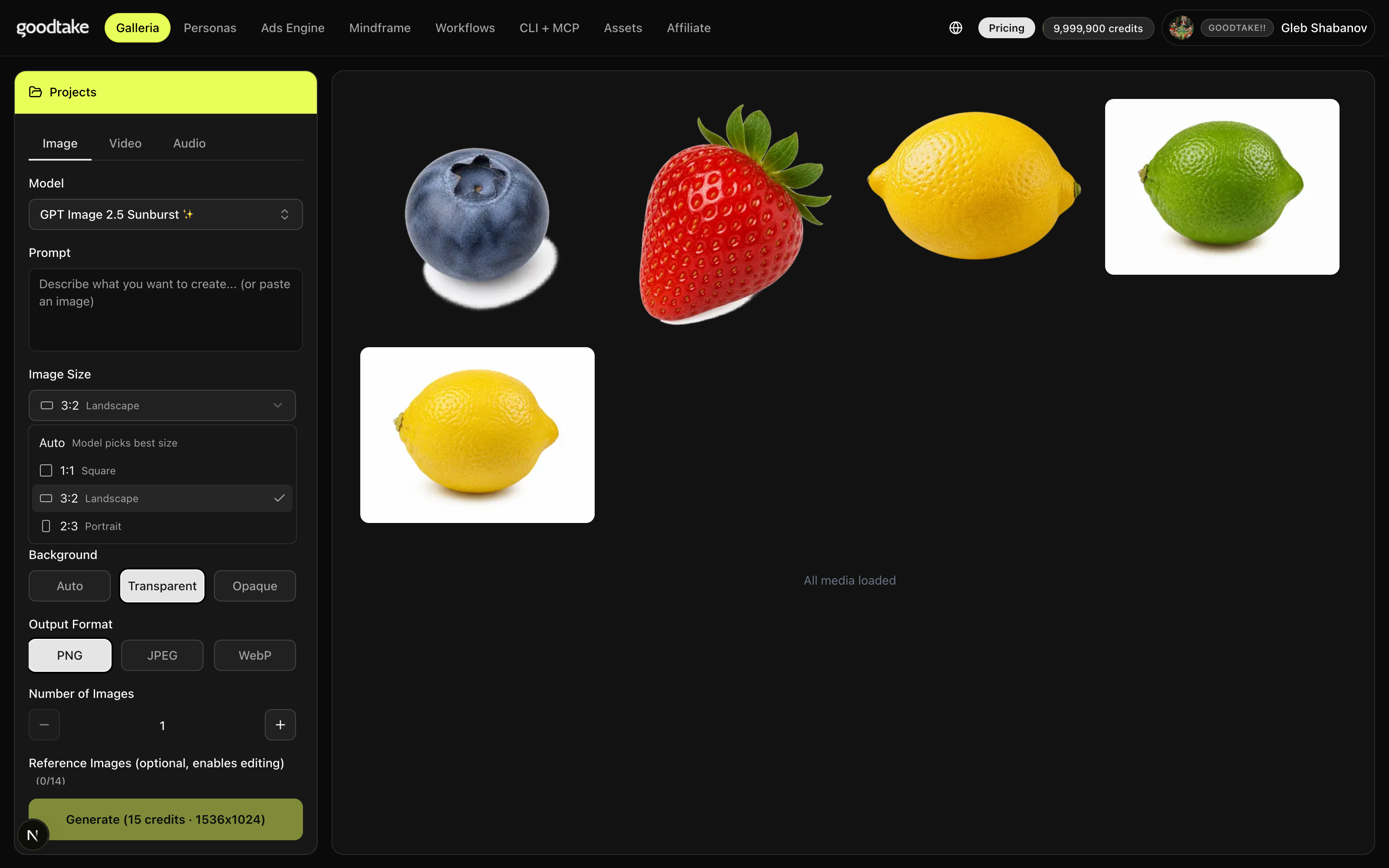
size carries them directly.
The edit path
This was the one genuinely novel piece of code. Every other provider client in the
repository posts JSON; OpenAI's edit endpoint takes
multipart/form-data with binary file parts, so the reference
images must be fetched to bytes and assembled into a form.
[OpenAI Image] model=gpt-image-2.5-sunburst edit=true images_in=1
[OpenAI] POST /images/edits model=gpt-image-2.5-sunburst images=1
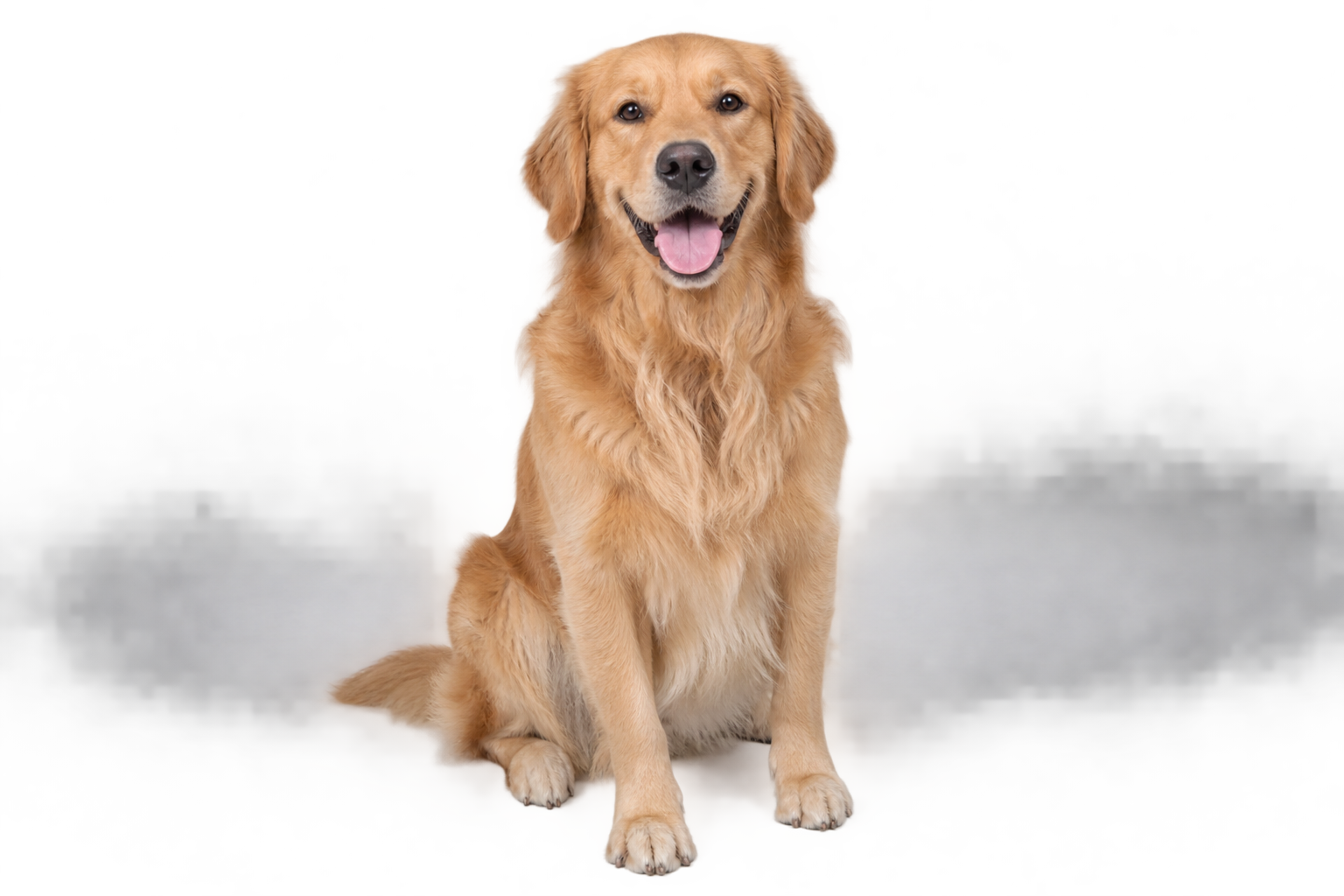
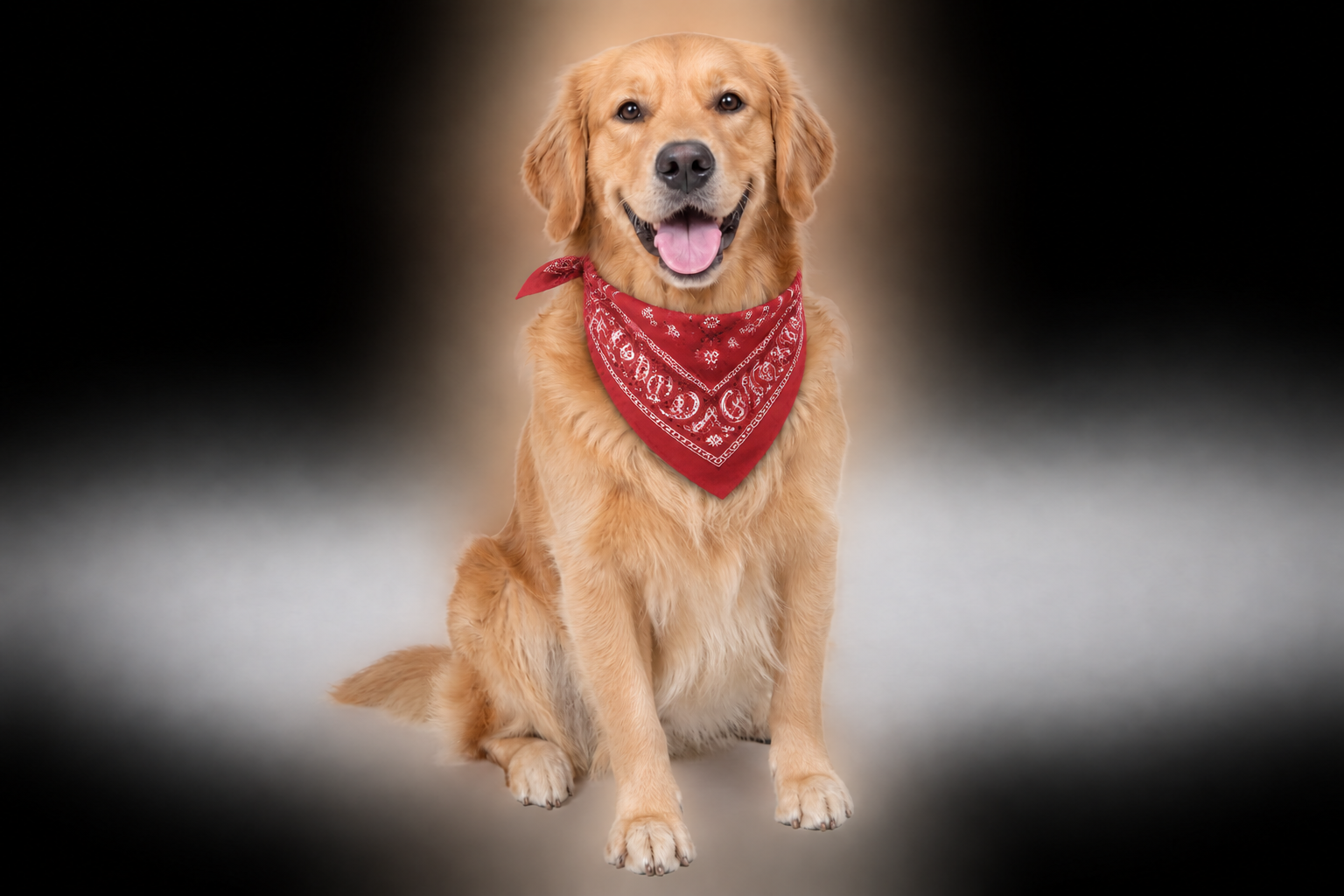
background is one
of the parameters OpenAI rejects on edits, so the service drops it.
-
Three parameters are dropped on this path. OpenAI's edit endpoint rejects
quality,backgroundandn, so the service filters them out. The interface still shows those controls when references are attached; they are silently ignored.
Transparency, counted rather than assumed
background: transparent is the capability most likely to look
right and be wrong, because an alpha channel can exist while being opaque everywhere.
So the stored asset was decoded and its pixels counted, rather than trusting
file to report RGBA.

"background":"transparent" and the stored file is
RGBA, all four corners at alpha 0.
fully clear (a<16)     1,200,953  of 1,572,864   76.4%
fully opaque (a>239)     364,119
partial (anti-aliased)     7,792
corner alpha          [0, 0, 0, 0]
- The 7,792 partial-alpha pixels are the decisive number. A faked or uniformly-opaque alpha channel has exactly zero of them. Anti-aliased boundary pixels only exist where a real cutout was rendered — which is precisely what a channel-presence check cannot tell you.
- Requested from the interface, not just the service. "The provider can emit alpha" and "the interface can ask for alpha" are two claims; this evidences the second, which is the one that matters for a user.
Base64, decoded and checked
Unlike every other provider here, OpenAI returns no URL — only base64. That
makes the decode the highest-risk part of the change, and a failure would be close to
invisible: a wrong decode stores base64 text labelled
image/png, and the response, the byte count and the metadata all
still look healthy.
$ curl <generation_assets.public_url> -o stored.png
$ file stored.png
stored.png: PNG image data, 1024 x 1024, 8-bit/color RGB, non-interlaced
$ xxd -l 8 stored.png
00000000: 8950 4e47 0d0a 1a0a   .PNG....
- Real PNG magic bytes, on both the generate and the edit path. Verified by fetching the stored object back out of GCS, not by trusting the API response.
-
This repository contains that exact bug. The ByteDance service casts
[]byte(*b64Json)without decoding. It is dead code there because that provider defaults to URLs, but it was the obvious thing to copy. The OpenAI client decodes properly, with aRawStdEncodingfallback and an empty-result guard.
Both surfaces, and the neighbour that had to keep working
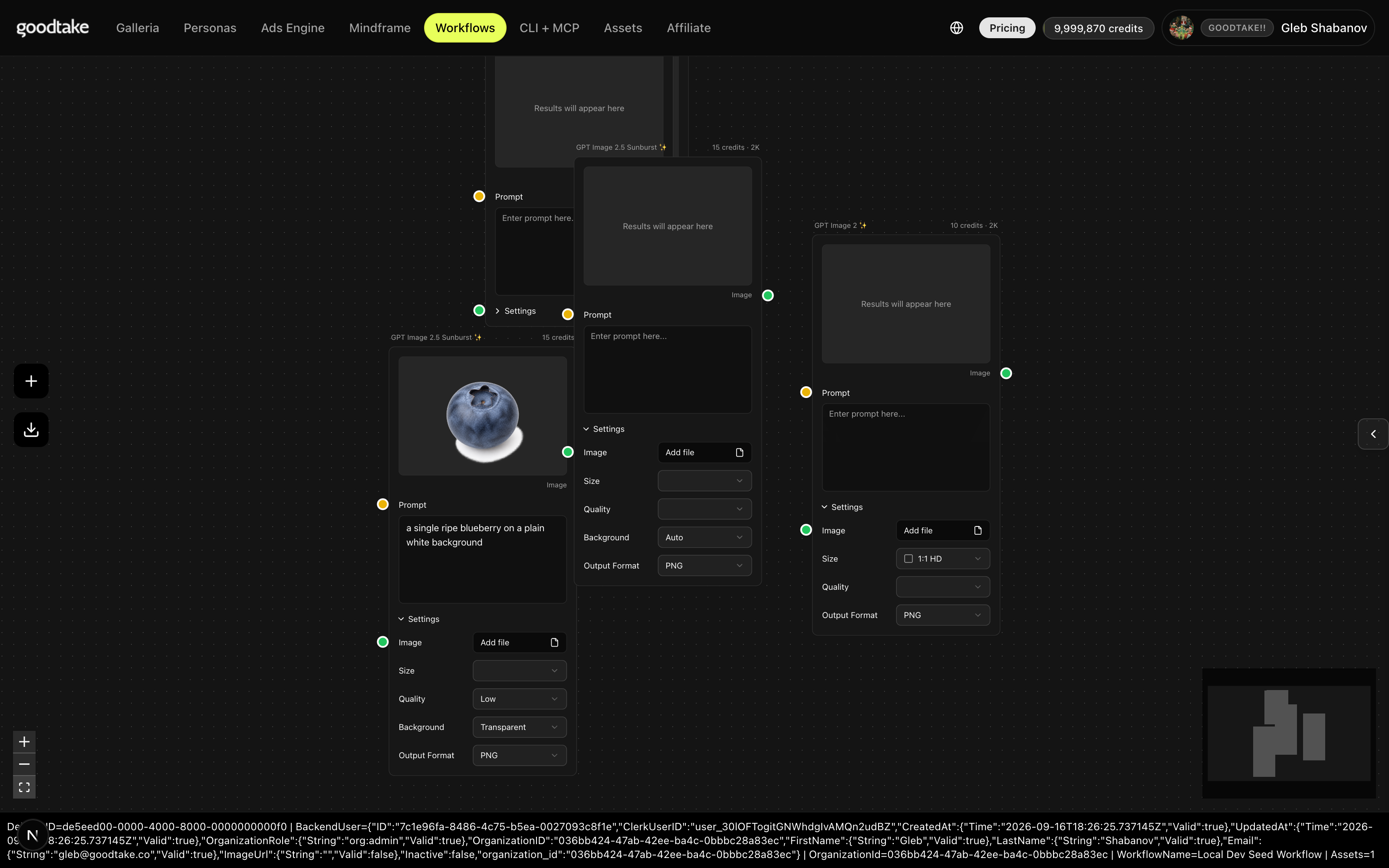
1:1 HD preset, unaffected.
The Size control seeds correctly now; this shot predates that fix.
Open findings
- Credits are a placeholder. 15, marked as such in the seed. The production figure is unconfirmed.
-
No production rollout SQL in the branch.
seed.sqlis development only, so production needs its own insert — a single row, since no other model moves.
Two things fixed after first being written up here
A fresh workflow node used to render an empty Size control. It now seeds correctly.
The node factory hardcoded imageSize: "square_hd" for every
model. That is a FAL preset name, so it matched no OpenAI option and the dropdown had
nothing to display — output was still correct, because the execute-time guard
clamped it, but the control looked broken until touched.
It now reads each model's own declared default instead of a fixed string. All nine
branches were enumerated to confirm the change is limited to one: every model that
declares no size setting still falls back to square_hd, and
gpt-image-2 keeps that value explicitly. Only Sunburst's seeded
value differs, and its wire value is unchanged — it was already arriving at
1024x1024, just via the clamp rather than the default.
Sunburst sorts last among active models, at sequence 25.
It initially shared sequence 5 with gpt-image-2, which made the
order between them depend on a name tiebreak rather than being specified. Moving it to
25 — past the highest active model at 24, before the legacy block at 90 —
makes the position explicit and ties with nothing, while still moving no other row.
-
One check nearly went wrong and is worth recording. The two GPT predicates are
evaluated with
gpt-image-2first. Had that predicate used a prefix or substring match rather than strict equality, it would have swallowedgpt-image-2.5-sunburstand made the entire Sunburst branch dead code — silently, and in a way the node settings would still have appeared to survive. It uses strict equality, so both branches are live, but that was the one route by which this could have been quietly wrong.
Not covered
Stated plainly, because a verification report that implies more coverage than it has is worth less than one that names its own edges.
- Quality tiers beyond
lowandhighin the running system. All six were confirmed against the live API directly, not through the app. - JPEG and WebP output, and
n > 1. - The 2:3 portrait size.
-
Transparency on the edit path. Attaching a reference resets the
control to
auto, and OpenAI dropsbackgroundon edits regardless — so this is arguably interface behaviour to document rather than a gap, but it is not evidenced either way. -
A caveat for anyone auditing this later. Joining a generation to its model row
reports the model's current provider, not the one that served it. Only the
stored
configkeys record which provider actually ran a given generation, so any per-provider count taken from the join will be wrong after a provider change. - The failure path. This database has never held a non-
completedrow, so error handling is unexercised.